Gyeongbokgung Palace: The Beating Heart of Seoul
Walk Through 600 Years of Korean History
Photo by Korea Tourism Organization
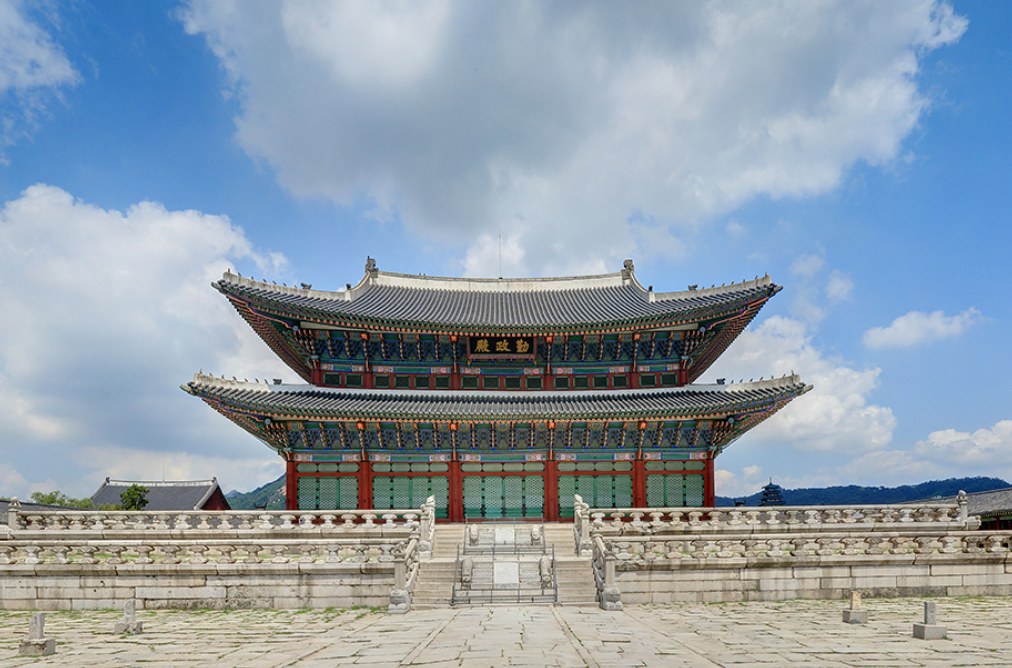
Nestled beneath Bugaksan Mountain in the heart of Seoul, Gyeongbokgung Palace was built in 1395 by the founder of the Joseon Dynasty, King Taejo. As the first and main royal palace, it holds deep historical and cultural value. Its name means “Palace Greatly Blessed by Heaven,” and it remains one of Korea’s most cherished landmarks.
Let’s explore why Gyeongbokgung is a must-visit for any traveler coming to Korea.
Grace and Grandeur of a Royal Palace
As you pass through the main gate Gwanghwamun, a wide courtyard opens up to reveal the stunning Geunjeongjeon Hall, where kings once held official ceremonies. The architecture features intricate wooden construction and colorful dancheong patterns, showcasing Korea’s traditional artistry.
Other notable spots include:
- Gangnyeongjeon: The King’s residence
- Gyotaejeon: The Queen’s quarters
- Hyangwonjeong Pavilion: A peaceful pondside gazebo
- Secret Garden paths: Calm and scenic year-round
Each season paints the palace in a different light—cherry blossoms in spring, lush greenery in summer, fiery autumn leaves, and serene snow scenes in winter.
Living Tradition: More Than a Museum
One of Gyeongbokgung’s highlights is the Royal Guard Changing Ceremony, held daily. Dressed in vibrant Joseon-era uniforms, the guards march to traditional Korean instruments in a reenactment that delights visitors from around the world.
You can also rent a hanbok (traditional Korean clothing) and walk the palace grounds for free—an Instagram-worthy way to dive into local culture.
Don’t miss:
- National Palace Museum of Korea – royal artifacts & treasures
- National Folk Museum of Korea – traditional Korean lifestyle exhibits
- Nearby attractions: Gwanghwamun Plaza, Cheong Wa Dae (Blue House), Samcheong-dong art street
A Palace of History and Resilience
Despite the hardships of Japanese colonization and the Korean War, Gyeongbokgung has been lovingly restored and preserved. It stands not just as a tourist attraction, but as a symbol of Korean identity, pride, and cultural revival.
Visiting Gyeongbokgung is more than sightseeing—it’s walking through the soul of a nation.
Travel Tips
Feature Info
| ⏰ Hours | Varies by season; Closed on Mondays |
| 💵 Admission | ₩3,000 for adults / FREE with hanbok rental |
| 🚇 Subway | Line 3, Gyeongbokgung Station, Exit 5 (5-min walk) |
| ⭐ Suggested Plan | Hanbok rental → Watch guard ceremony → Explore palace → Visit museums |
📍 Map & Location
Google Maps – Gyeongbokgung Palace
Google Maps
Find local businesses, view maps and get driving directions in Google Maps.
www.google.com
📷 Photos You Might Love
💬 Final Thoughts
Gyeongbokgung Palace is where the past meets the present.
Whether you love history, architecture, traditional clothing, or just want a peaceful walk among beautiful scenery, this palace offers it all.
If you're visiting Seoul, don't miss the chance to walk the same paths as kings and queens of old. It's a timeless journey into the heart of Korea.
'Korea Travel' 카테고리의 다른 글
| Haeundae Beach, Busan: Korea’s Iconic Summer Destination (0) | 2025.06.29 |
|---|---|
| 부산 해운대 블루라인파크: 여름에 꼭 가봐야 할 해안 관광 열차 (3) | 2025.06.28 |
| Haeundae Blueline Park, Busan: The Must-Visit Coastal Train for Summer (0) | 2025.06.27 |
| Lotte World Tower, Seoul – A Sky-High Adventure (1) | 2025.06.22 |
| A Journey to Samyang Roundhill, Daegwallyeong (0) | 2025.06.20 |